Nino Leitner
Director of photography, AAC
Nino has worked as a DP for many years and runs CineD and MZed. He comes to high-speed as a cinematographer who wants super slow motion on ordinary productions, not only on specialist shoots.
A free course on MZed, sponsored by 
Super slow motion, from planning a shot to delivering it. Taught by working filmmakers on real shoots, with the real numbers and the real mistakes.
You need a free MZed account to watch. Free until June 30, 2027. No card, no subscription.
That is what 1,000 frames per second gives you when you play it back at 24. Both balls below cover the same second. The course is about everything you have to get right to earn the second one.
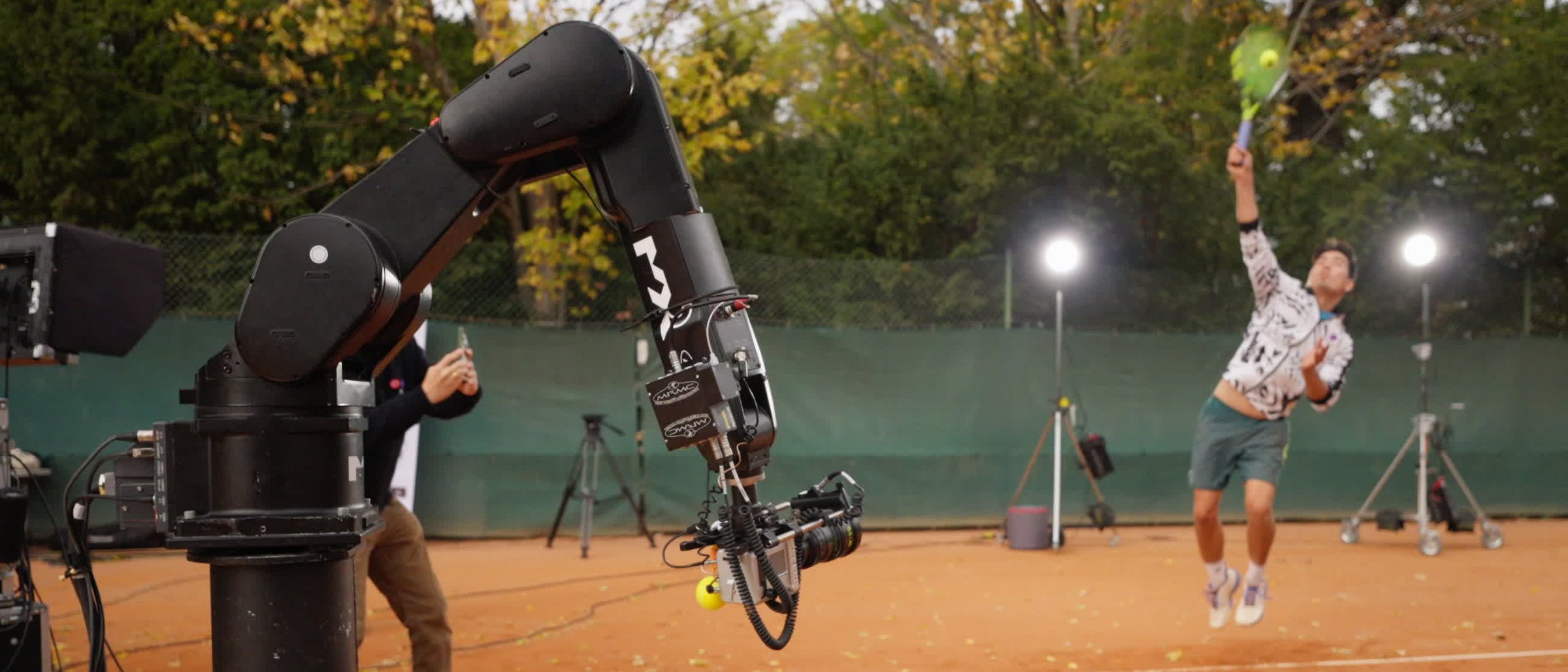
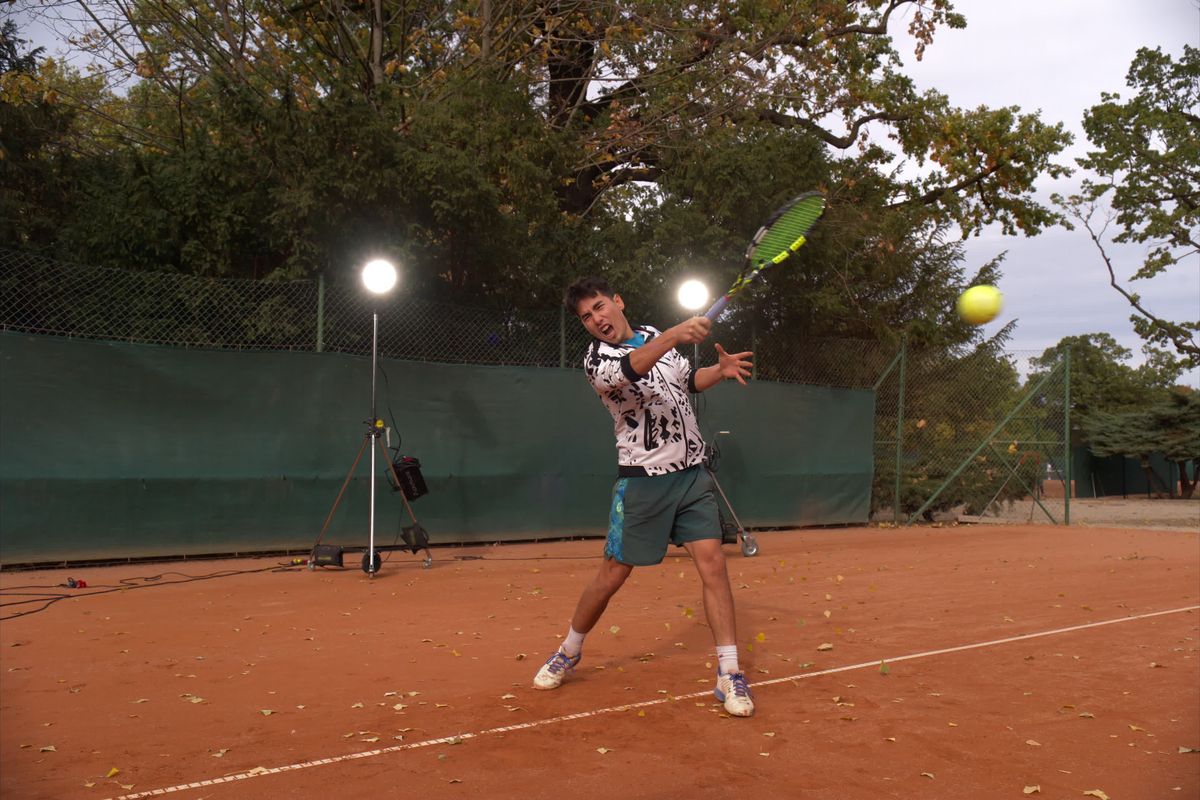
From the factory in China, where the camera is built, to a tennis court in Vienna where a camera robot shot super slow motion for anyone who walked in.
High-speed cameras are now within reach of a small crew. The knowledge has not kept up. This course closes that gap.
Something has to happen in the fraction of a second you stretch. How to choose subjects that earn the frame rate.
Where slow motion ends and super slow motion begins, and how to match the frame rate to the fastest thing in the frame.
At 1,000fps you lose more than five stops. How much light you need, which lights are safe, and how to test before the talent arrives.
One take can be 15 gigabytes. How to plan a shoot in offload cycles, call keeper takes on set, and still deliver the same day.
Ring buffer or continuous recording, manual or robot trigger. What each choice costs you in time and storage.
From RAW to a finished clip: conversion, speed ramps, grading and the sound design that high-speed footage always needs.
Five lessons, released one at a time. Register once and every new lesson is in your account when it comes out.
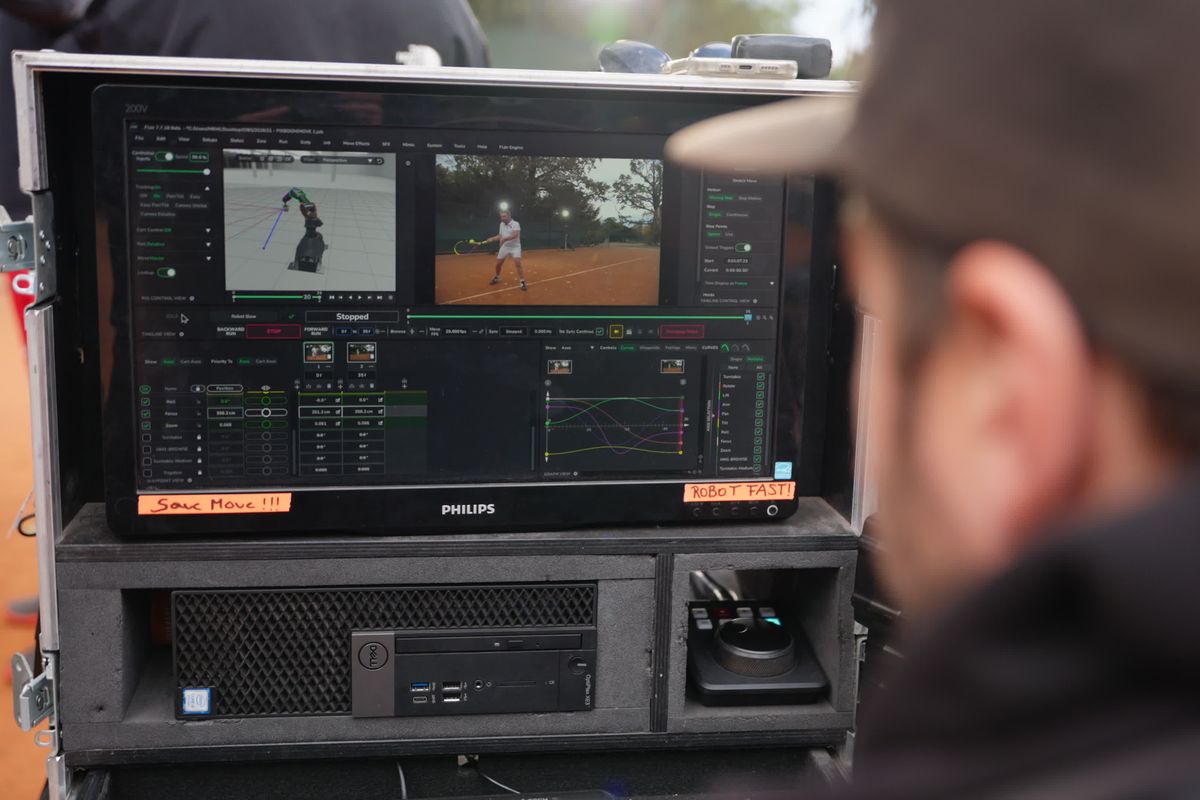
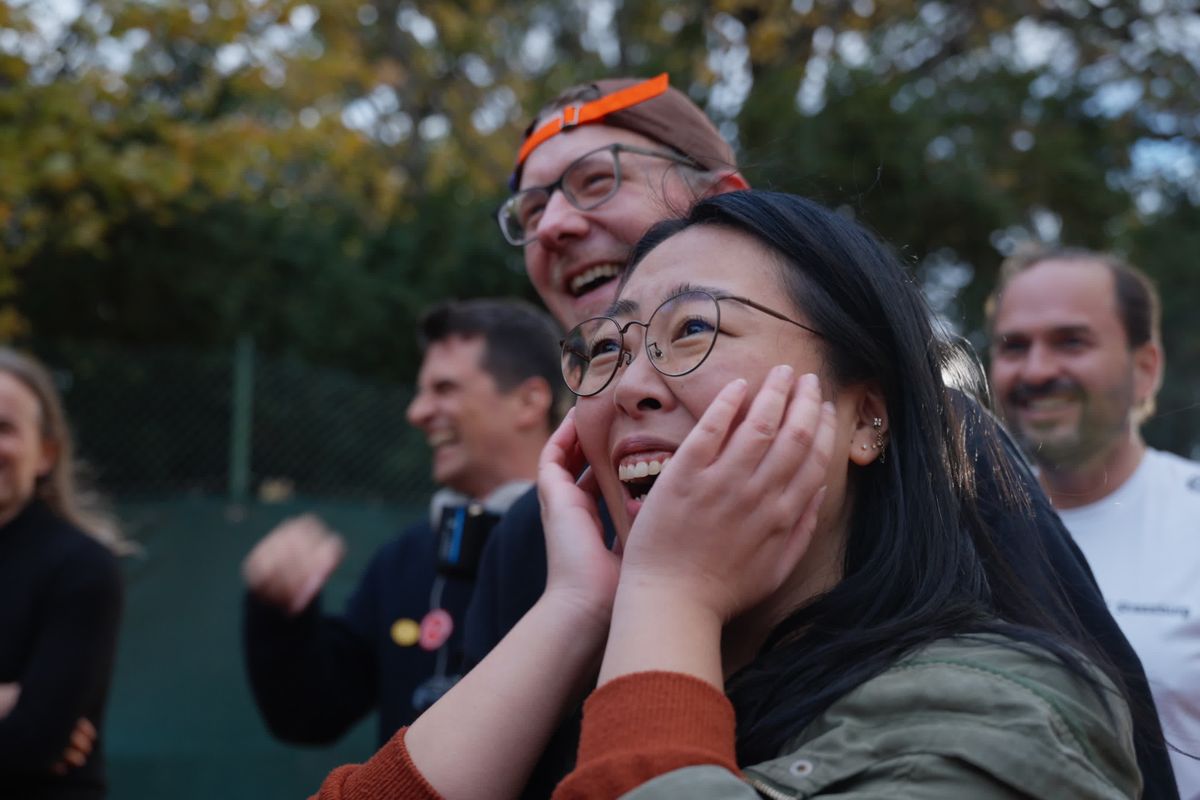
A camera robot, a tennis club, and a promise that every participant gets a 1,000fps clip the same day. What we planned, what went wrong, and what we would change.
Nino Leitner, with Christoph Tilley and Stefan Schweiger of MXR Productions
One slow motion shot in a documentary or a commercial, without turning the day upside down. When to bring the camera and how to light a small setup.
Nino Leitner
Two filmmakers take one demanding shot apart, from the first idea to the final frame, with stories from years of commercial high-speed work.
Ariel Levesque and Nino Leitner
Setup, frame rates and resolutions, the five ISOs, open gate against crop, and getting the files off the camera.
Ariel Levesque
Heavy RAW files, noise, retiming, grading and matching to your other cameras, and building sound for footage that has none.
Nino Leitner
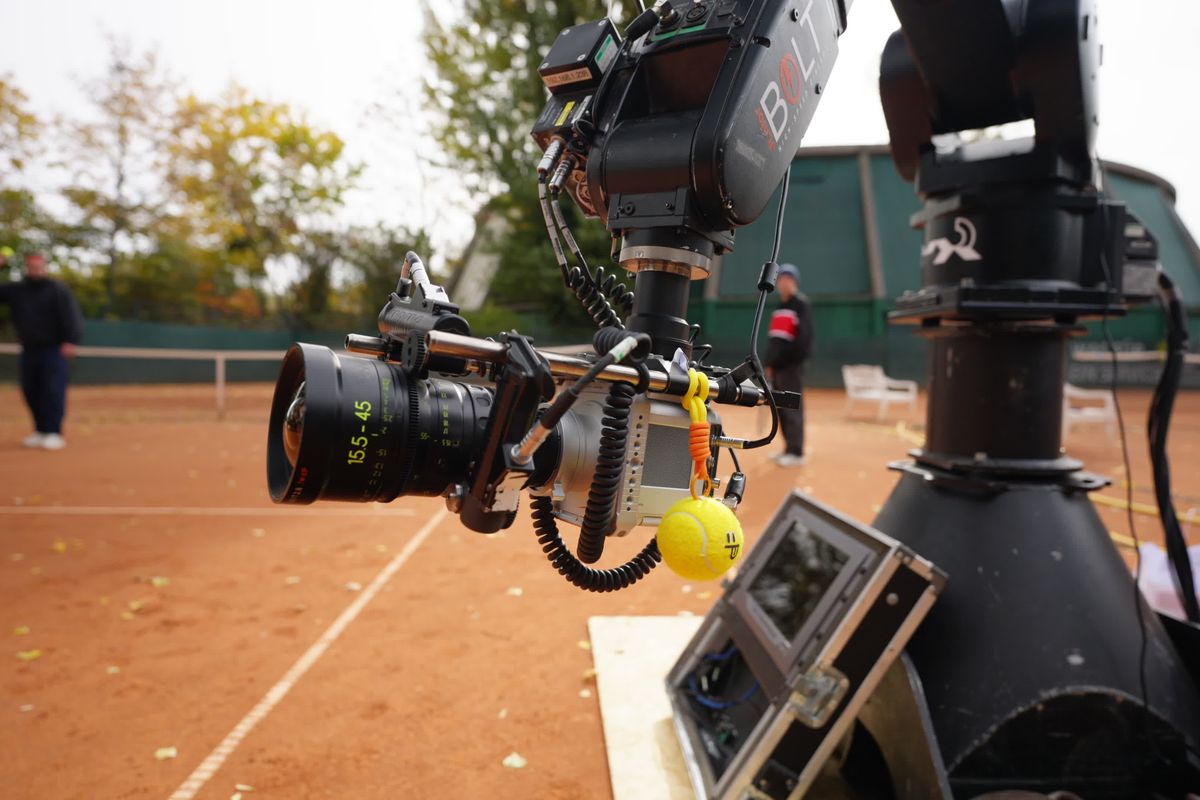
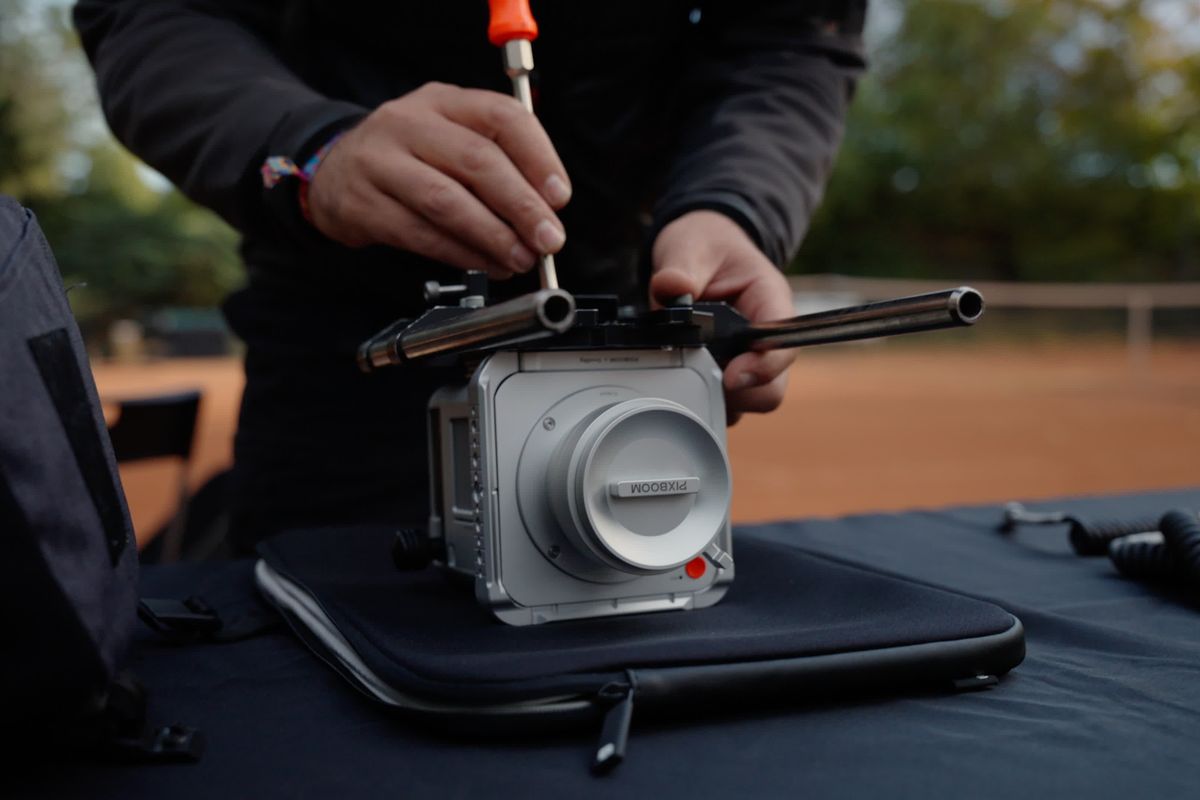
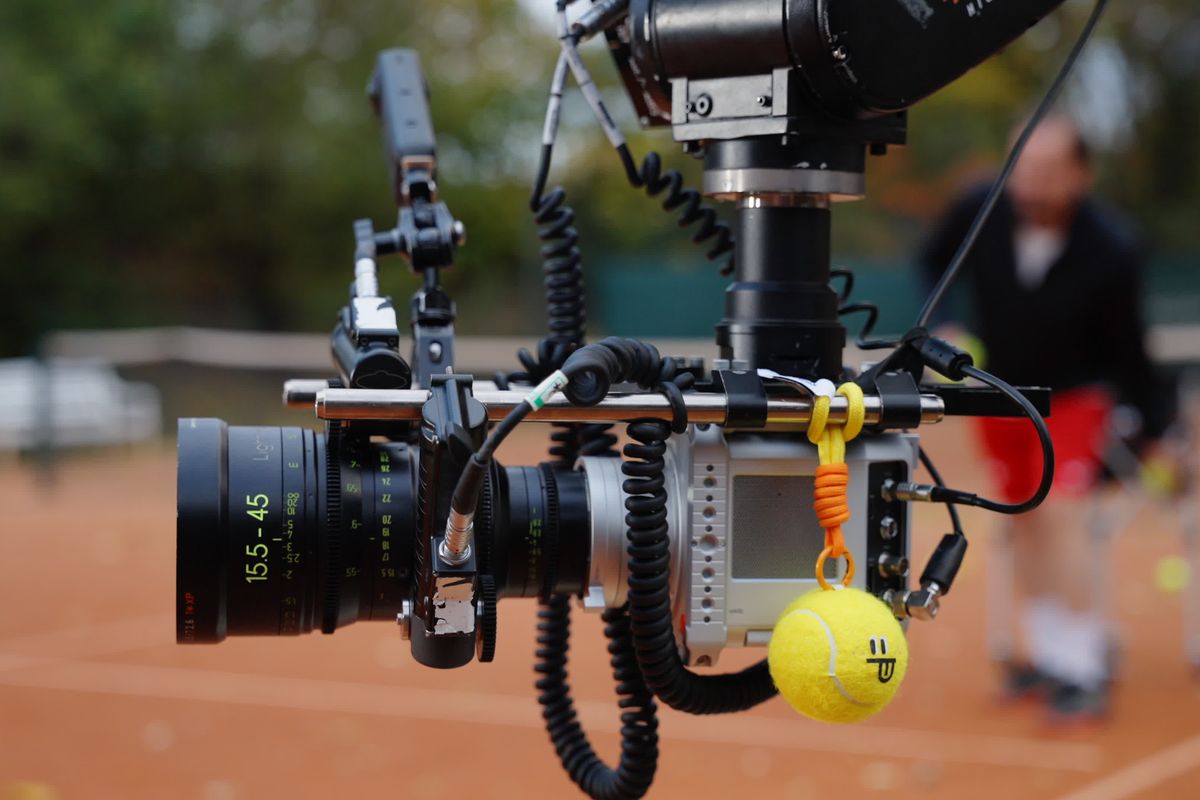
One day on a clay court in Vienna. A robot, two lights, a camera the size of a fist, and a queue of players who each wanted their clip the same day.
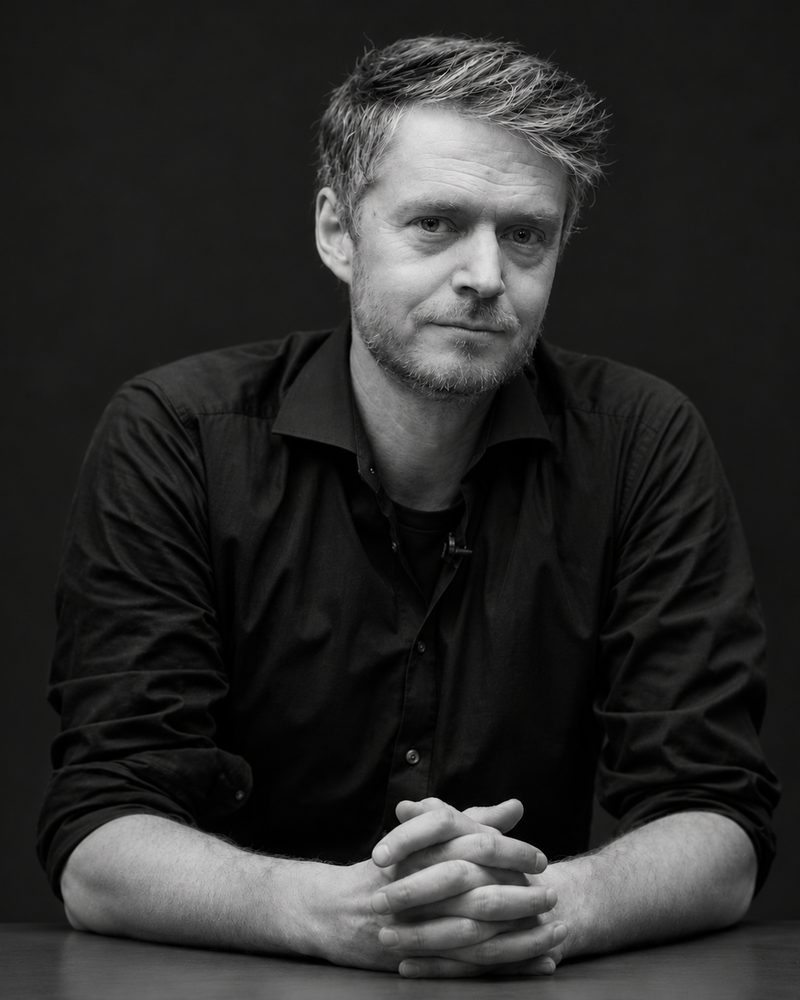
Director of photography, AAC
Nino has worked as a DP for many years and runs CineD and MZed. He comes to high-speed as a cinematographer who wants super slow motion on ordinary productions, not only on specialist shoots.
High-speed specialist, Montreal
Ariel has spent years shooting extreme frame rates for commercial clients. He teaches the camera itself and the craft of building a shot that only exists at a thousand frames per second.
In lesson 1: Christoph Tilley and Stefan Schweiger of MXR Productions in Vienna, who own and operate Phantom and Ember high-speed cameras and the Bolt motion control robot used on the shoot.
“Slow motion used to be a privilege. We’re making it a right.”
Pixboom, makers of the Spark high-speed cinema camera
Pixboom is a high-speed cinema camera brand built around this belief. The Spark camera empowers filmmakers to capture fleeting moments in extraordinary detail, unlocking entirely new possibilities for creative expression.
Great cinematography starts with the right tools—and the knowledge to master them. Even the most groundbreaking camera requires real-world craft. That’s why Pixboom is sponsoring this course, making it completely free on MZed until June 30, 2027.
The Spark appears throughout the lessons, and one lesson is about the camera itself. Everything else applies to high-speed work on any system. Where the camera has limits, the lessons say so.
Spark owners keep access after June 2027 with the code that comes with the camera.
Meet the SparkYou need a free MZed account to watch, as with every free course on MZed. Name, email, password. No card and no subscription.
Every lesson is in your account as it comes out, on the web and in the MZed app.
Already a member? Log in and the course is in your library.
Yes. You need a free MZed account, nothing else. There is no card, no trial and no subscription. The course is free until June 30, 2027. After that it is part of MZed Pro.
No. One lesson covers the Spark in depth. The other four teach high-speed filmmaking in a way that applies to any high-speed camera, from a Phantom to the slow motion mode of the camera you already own.
Lesson 1 is out in November 2026. Lesson 2 follows in December, lesson 3 in January, and lessons 4 and 5 in early 2027. Once you are registered, each new lesson appears in your account.
Pixboom sponsors the course and its camera appears in it. MZed gives your name and email to Pixboom only if you say yes. We ask you this one time, in your MZed account. If you say no, Pixboom receives nothing about you, and the course works the same.
You keep access. The camera comes with a code that unlocks the course permanently in your MZed account.
The latest course announcements, news and offers.
Be the first to know!